Today
20
in History
26
January
February
March
April
May
June
July
August
September
October
November
December
01
Tue
02
Wed
03
Thu
04
Fri
05
Sat
06
Sun
07
Mon
08
Tue
09
Wed
10
Thu
11
Fri
12
Sat
13
Sun
14
Mon
15
Tue
16
Wed
17
Thu
18
Fri
19
Sat
20
Sun
21
Mon
22
Tue
23
Wed
24
Thu
25
Fri
26
Sat
27
Sun
28
Mon
29
Tue
30
Wed
...
09-17-1796
George Washington prepares final draft of farewell address
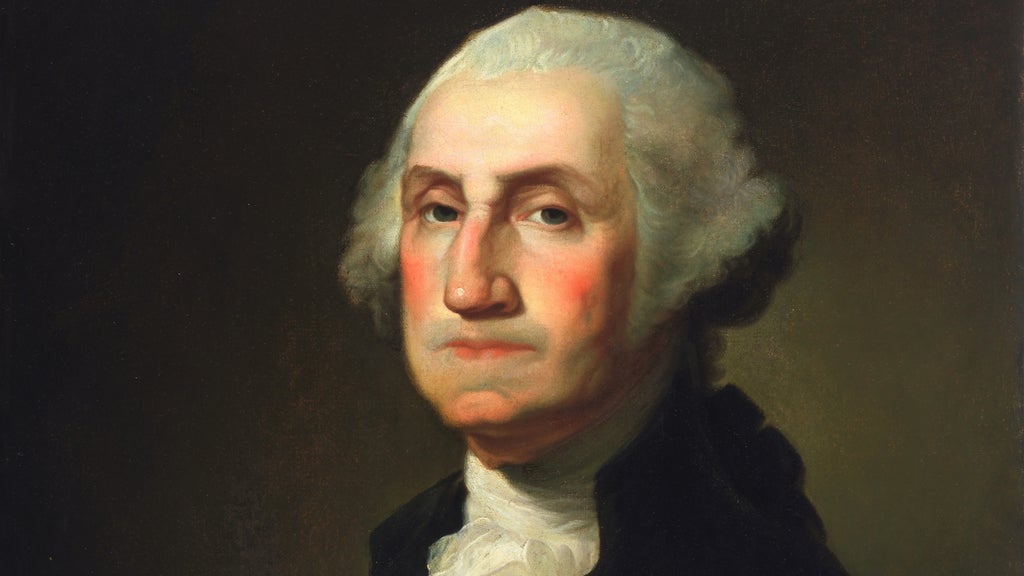
George Washington prepares a final draft of his presidential farewell address on September 17, 1796. Two days later, the carefully crafted words appeared in Claypoole’s American Daily Advertiser, published in Philadelphia, officially notifying the American public that Washington would voluntarily step down as the nation’s first president. The decision was extraordinary: rarely, if ever, in the history of western civilization had a national leader voluntarily relinquished his title. The action set a model for successive U.S. administrations and future democracies.
Historians have since discovered that Washington dated the draft of the address to coincide with the nine-year anniversary of the adoption of the first draft of the U.S. Constitution in 1787. Scholars agree that Alexander Hamilton, former aide to Washington during the Revolutionary War and the first U.S. secretary of the treasury, wrote much of the address. Washington was greatly influenced by his federalist cohort Hamilton throughout their professional relationship, much to the frustration of the Republican members of his government, particularly Thomas Jefferson and James Madison. It was Madison who had helped pen a farewell draft for Washington at the end of his first term, which Hamilton had initially used as a template for the final farewell address. That version was ultimately tossed aside, however, in favor of one drafted from scratch by Hamilton. He and Washington spent the summer of 1796 finalizing the speech, which was delivered for printing in September.
Many Americans had hoped or assumed that Washington would serve another term or even until his death. As Washington’s second term came to a close in early 1797, he was in poor health, exhausted from years of internal squabbling amongst members of his cabinet and ready to retire to his beloved plantation in Virginia. According to biographer Ron Chernow, although Hamilton wrote much of the speech, it was faithful to Washington’s style and tone. In addition to laying out his hopes for America’s future, the address called for an end to partisan politics and maintained that Washington’s decision not to run for a third term was in the best interests of the country. “I have…contributed towards the organization and administration of the government the best exertions of which a very fallible judgment was capable,” he humbly admitted. Desiring the “shade of retirement,” Washington reminded the people that his position as president was designed to be temporary. He believed it was his patriotic duty to uphold the Constitution and pass on his role as the nation’s top public servant to someone else.
More news today
loading...