Today
20
in History
26
January
February
March
April
May
June
July
August
September
October
November
December
01
Fri
02
Sat
03
Sun
04
Mon
05
Tue
06
Wed
07
Thu
08
Fri
09
Sat
10
Sun
11
Mon
12
Tue
13
Wed
14
Thu
15
Fri
16
Sat
17
Sun
18
Mon
19
Tue
20
Wed
21
Thu
22
Fri
23
Sat
24
Sun
25
Mon
26
Tue
27
Wed
28
Thu
29
Fri
30
Sat
31
Sun
...
05-03-1951
Congressional hearings on General MacArthur begin
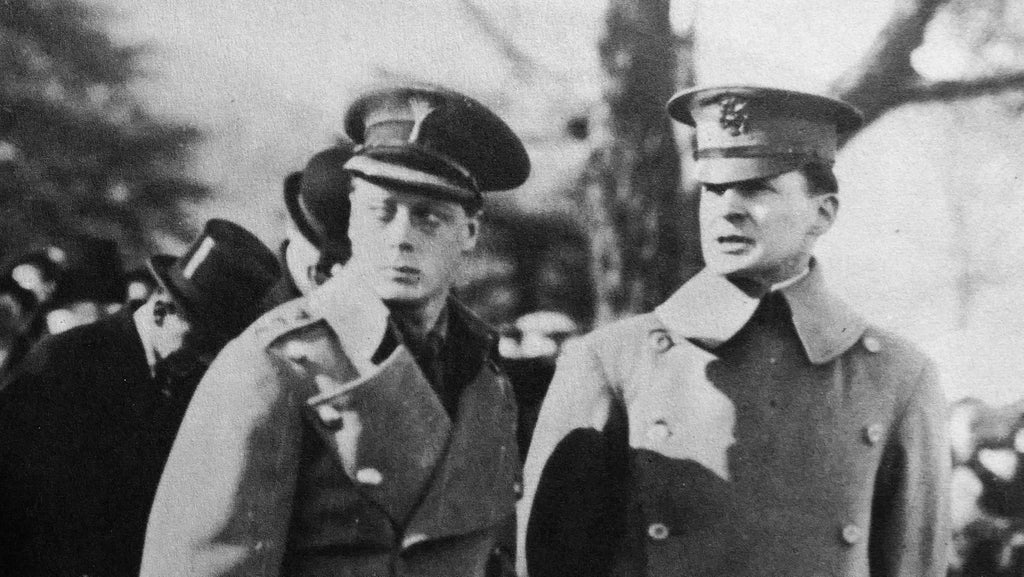
The Senate Armed Services and Foreign Relations Committees, meeting in closed session, begin their hearings into the dismissal of Gen. Douglas MacArthur by President Harry S. Truman. The hearings served as a sounding board for MacArthur and his extremist views on how the Cold War should be fought.
General MacArthur served as commander of U.S. forces during the Korean War until 1951. In late 1950 he made a serious strategic blunder when he dismissed warnings that the People’s Republic of China would enter the conflict on the side of its communist ally, North Korea. Hundreds of thousands of Chinese troops smashed into the American lines in November 1950, driving the U.S. troops back with heavy losses.
MacArthur, who had earlier complained about President Truman’s handling of the war, now went on an all-out public relations attack against the president and his Cold War policies. In numerous public statements and interviews, General MacArthur criticized Truman’s timidity. He also asked for permission to carry out bombing attacks against China and to expand the war. President Truman flatly refused, believing that expanding the war would lead to a possible confrontation with the Soviet Union and World War III. On April 11, 1951, President Truman removed MacArthur from his command. Though Truman clearly did not appreciate MacArthur’s approach, the American public liked his tough stance on communism, and he returned home to a hero’s welcome.
On May 3, 1951, just a few days after MacArthur’s return to the United States, the Senate Armed Forces and Foreign Relations Committees began hearings into his dismissal. Partisan politics played a significant role in the hearings, which were instigated by Republican senators eager to discredit the Democratic administration of Harry Truman. MacArthur was the featured witness, and he spoke for more than six hours at the opening session of the hearings. He condemned Truman’s Cold War foreign policy, arguing that if the president’s “inhibitions” about the war in Korea had been removed the conflict could have been “wound up” without a “very great additional complement of ground troops.” He went on to suggest that only through a strategy of complete military destruction of the communist empire could the U.S. hope to win the Cold War.
The hearings ended after seven weeks, with no definite conclusions reached about MacArthur’s dismissal. However, the general’s extremist stance and intemperate statements concerning the need for an expanded conflict against communism during the hearings soon eroded his popularity with the American public. MacArthur attempted to garner the Republican presidential nomination in 1952, but lost to the more moderate campaign of another famed military leader, Dwight D. Eisenhower.
More news today
loading...